

XQuartz Overview
XQuartz for Mac is an open-source implementation of the X Window System (X11) for macOS. It allows users to run X11-based Linux and Unix applications on a Mac while maintaining seamless integration with the macOS desktop. The current version is 2.8.6. Whether you're a developer, researcher, or system administrator, XQuartz provides a reliable environment for graphical applications that depend on X11.
Key Features
- Run X11 applications on macOS.
- Supports Apple Silicon and Intel Macs.
- Seamless integration with the macOS desktop.
- Launch remote X11 applications via SSH.
- Native copy and paste support.
- Compatible with many Linux and Unix applications.
- Open-source and actively maintained.
- Supports multiple X11 windows simultaneously.
- Customizable display preferences.
- Lightweight and efficient performance.
- Keyboard and mouse integration with macOS.
- Reliable support for development workflows.
- Secure remote graphical application access.
- Regular updates and compatibility improvements.
- Easy installation and configuration.
What's New in the Latest Version
XQuartz 2.8.6 focuses on Apple Silicon fixes and security updates. Recent improvements include:
- Fixed an issue causing some X11 surfaces to appear black on Apple Silicon Macs
- Fixed a rendering regression from the previous release
- Fixed a crash in xrandr
- Added arm64 support to glxinfo and glxgears
- Updated component projects to address multiple security vulnerabilities (CVEs)
- Better support for Apple Silicon Macs overall
- Improved compatibility with the latest macOS versions
These updates help ensure a smoother experience when running local or remote X11 applications on macOS. XQuartz 2.8.6 requires macOS 10.13 or later to install.
How to Install XQuartz on Mac?
Installing XQuartz is quick and straightforward.
- Download the latest version of XQuartz for Mac.
- Open the downloaded .pkg installer.
- Double-click the installation package.
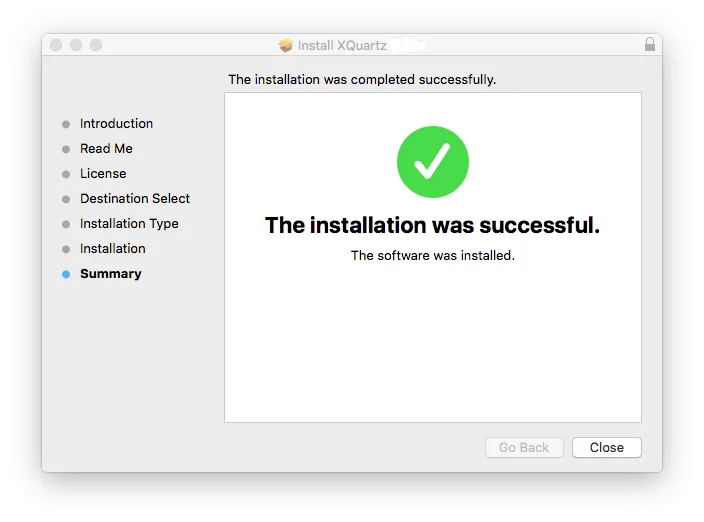
- Follow the installation wizard to complete the setup.
- Restart your Mac if prompted.
- Launch XQuartz from the Applications folder.
- Configure your display or SSH settings if required.
If you use Homebrew, you can install XQuartz from the terminal instead, using `brew install --cask xquartz`. This installs the same official release without needing to open a .pkg file manually.
After installation, you can run local X11 applications or connect to remote Linux and Unix systems using X11 forwarding.
How to Uninstall XQuartz on Mac?
Since XQuartz installs system-level components outside your Applications folder, simply dragging it to Trash leaves files behind. To fully delete XQuartz from your Mac:
- Quit XQuartz if it's currently running.
- Open Terminal from Applications > Utilities.
- Run `launchctl unload /Library/LaunchAgents/org.xquartz.startx.plist`
- Run `sudo launchctl unload /Library/LaunchDaemons/org.xquartz.privileged_startx.plist`
- Run `sudo rm -rf /opt/X11* /Library/Launch*/org.xquartz.* /Applications/Utilities/XQuartz.app /etc/*paths.d/*XQuartz`
- Run `sudo pkgutil --forget org.xquartz.X11` to clear the installer record.
If you installed XQuartz through Homebrew instead, run `brew uninstall --cask xquartz` to remove it cleanly.